
blog

a woman eat before or after workout to lose weight

Eat Before or After Workout to Lose Weight? 3 Truths

Eat Before or After Workout to Lose Weight? 3 Truths Why It Matters What do you think about eat before or after workout to lose weight? It may seem like a small detail that doesn’t matter. But it’s more important than you think. If you’ve ever skipped breakfast before a workout to burn more fat, you’re not the only one. Or maybe you ate a lot right before going to the gym and felt heavy in your stomach. I know many people are still trying to find the best way. Losing weight is very tough. So why make it harder by messing up your timing? When you eat before or after your workouts can affect your energy, calorie burn, and recovery speed. And it’s not about doing things perfectly. Just think it is simple. Your body needs energy to move and recover. Without it, you can easily get tired, or you can stay in place without consequences. If your goal is fat loss, the most effective thing is to burn calories while building muscle at the same time. This will boost your metabolism and strengthen your body. However, if you exercise with an empty stomach, your body will not work properly. That’s why Eat Before or After Workout to Lose Weight can make your workouts way more productive. What’s important is, it’s not just about what you eat, but when you eat. A little bit of time adjustment can go a long way towards training harder, recovering better, and seeing the actual results. How to Do It Right So, what is the best timing: eat before, after, or both? It depends. But here are a few tips that you can refer. Before your workout: If you’re planning to work out intensively, like lifting weights, running, or doing a HIIT class, eating before working out can help you feel more energized and perform better. You don’t need a full meal; a light snack 30–60 minutes before is usually enough. For example, a banana with almond butter, a boiled egg, and toast, or a small smoothie, is good for eating before a workout. Carbohydrates are recommended to support muscles with fast energy and a little protein. Fasted workouts: If you’re someone who likes to work out in the morning and doesn’t feel like eating before exercising, that’s okay too. As long as you still have good energy and don’t feel dizzy or tired. Some people do well with fasted cardio. However, if your workouts feel harder or less effective, try having a small snack before. After your workout: This is the most important thing. This is where recovery happens. Within about an hour after training, your body is ready to take in nutrients and start rebuilding. A mix of protein and carbs is your best bet here. Try a protein shake with fruit, Greek yogurt with berries, or grilled chicken and rice. This helps reduce soreness, rebuild muscle, and keep your metabolism humming. You don’t need to overthink about it, but don’t ignore it either. If you always skip recovery meals or eat junk post-workout, your progress will stall. Fuel smart, and your body will respond. Common Mistakes to Avoid The most common mistake is skipping food. Some people think less food equals faster weight loss, but if you don’t eat anything before or after a workout, you will more stressful. You will suffer while working out, and your body might break down muscle instead of fat. Another one is eating too much or choosing the wrong foods. That massive meal or greasy snack right before a workout might leave you feeling bloated and slow. Go for light, easy-to-digest options that give you energy, not a food coma. Post-workout, the mistake a lot of people make is treating it like a reward. You crushed a session, so now it’s time for a burger and fries, right? Unfortunately, that mindset can undo the benefits of your workout. Save the treats for special occasions and stick to clean, balanced meals most of the time. What I want to say is, don’t stress if your timing isn’t perfect. Life happens. Just do your best to keep it consistent, and focus on what your body is telling you. Hunger, energy, and recovery are all messages you can focus on from your body. Summary Eating before or after your workout can affect how you feel, how you perform, and how you lose weight. It’s not about sticking to each bite, it’s about creating a smart rhythm that fits your goal. Eating a light snack before a workout can give you the energy to push yourself harder. Eating after helps you recover, build muscle, and help you lose fat. You can skip the extremes – No hunger, no fillings. A balanced and deliberate diet that supports training is important. And most importantly, you should have a habit that you can actually do consistently. The best diet is not a perfect plan, it’s a plan that you can actually practice consistently. Consistency wins every time.

Eat Before or After Workout to Lose Weight? 3 Truths Read More »
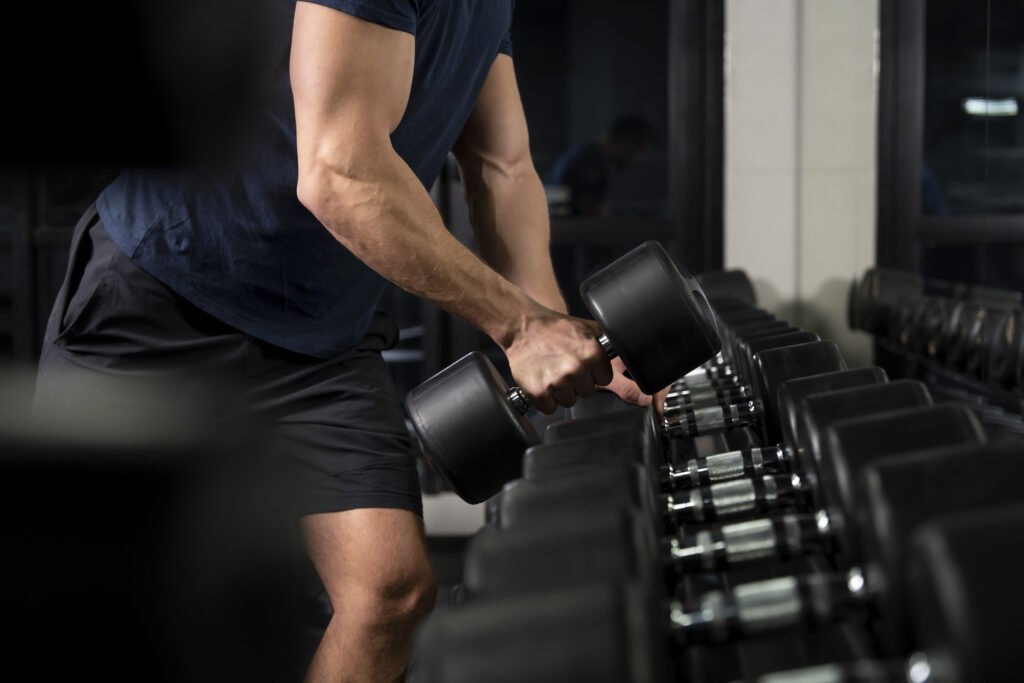
A man performing a dumbbell workouts as part of an upper body workout routine

Dumbbell Workouts: 5 Best Exercises for Upper Body Strength

Dumbbell Workouts: 5 Best Exercises for Upper Body Strength Why It Matters Have you ever thought about where to start in front of a rack of dumbbells at the gym? You are definitely not the only one. A lot of people either think dumbbell workouts are too complex or underestimate how effective they could be. But here’s the thing: with just a pair of dumbbells and the right routine, you can build muscle without needing fancy machines. Dumbbell workouts give you freedom of movement that machines can’t. They help you train your muscles in a more natural and balanced way. This leads to better stability, control, and coordination. Especially when you train on your upper body like chest, back, shoulders, dumbbells support your body to stabilize itself. This creates stronger supporting muscles and can help prevent injury in the long term. Dumbbell workouts are also easy to access. Whether you’re training at home or at the gym, dumbbells don’t need much space and can be used for a huge variety of workouts. So instead of skipping your workout because you’re short on equipment, grab a pair of dumbbells and keep things simple but effective. How to Do It Right Let’s talk about five essential dumbbell workouts for building upper body strength. These are not only for beginners but also for professionals. And It also has a significant effect when performed in the right posture and with the right weight. The key to doing these right? Focus on form over weight. You don’t need to go heavy—especially at first. Slow, controlled reps with full range of motion will get you way further than swinging big dumbbells around. And don’t forget to breathe. Exhale as you push or pull, inhale as you return to the start. Common Mistakes to Avoid One of the biggest mistakes people make is using momentum instead of muscle. If you’re swinging the dumbbells, chances are you’re not training the target muscles effectively. Slow it down. Focus on the muscle working through the entire movement. Another issue is not choosing the right weight. Too heavy, and your form breaks down. Too light, and you’re not challenging your body. Start with the right weight you can control for 8–12 reps with good form, then gradually increase it. Skipping warm-ups is also common. In our previous post, “Top 3 Best Pre Workout Stretching“, there are some reasons why you have to do warm-ups before working out. Just because you’re using dumbbells doesn’t mean you can jump right in. Take 5 minutes to warm up your shoulders and arms with some dynamic stretches or light movements. Warm-up is directly linked to improving exercise performance as well as preventing injury. In particular, shoulder joints are easy to get hurt, so make sure to warm up. Lastly, don’t ignore balance. If you only work on one part of your upper body, like your chest, you may create imbalances. This can lead to bad posture or even injury. Make sure you’re working the back and shoulders just as much as the front. Summary Dumbbell workouts are a simple but powerful way to build upper-body muscle. With just a few key moves and the right posture, you can create an effective routine whether you’re at home or at the gym. They help improve stability, increase strength, and give you more freedom to move naturally. So next time you see that rack of dumbbells, don’t overthink it. Pick up a pair, just try the basics, and start building strength one rep at a time. You don’t need a fancy machine. Just smart movements and a little consistency are enough.

Dumbbell Workouts: 5 Best Exercises for Upper Body Strength Read More »

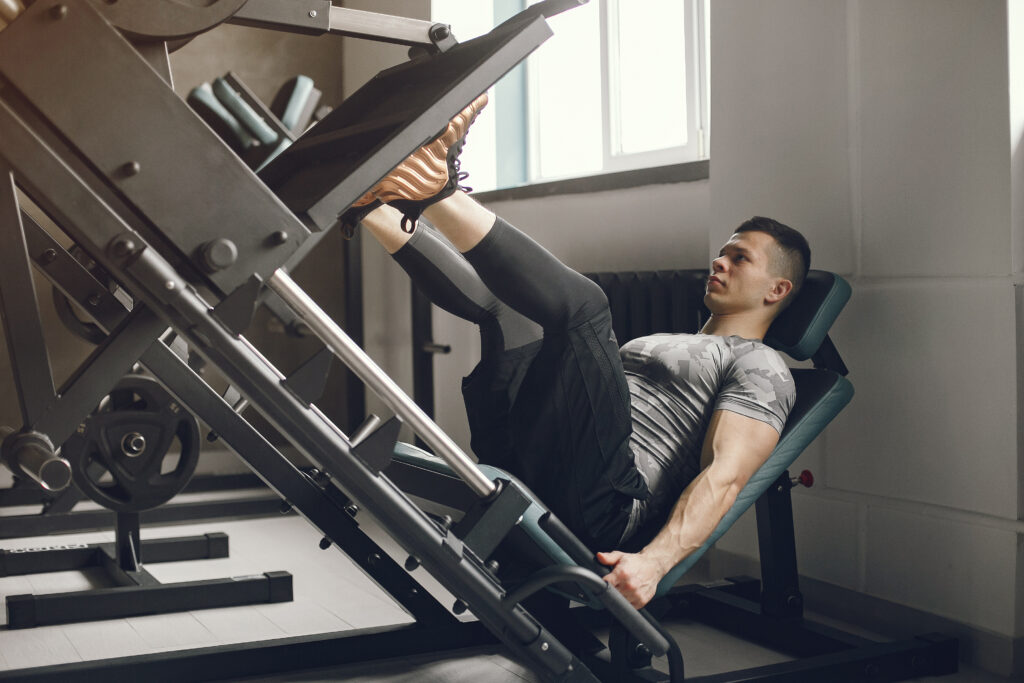
Man performing leg press exercise as part of leg day workout routine to strengthen lower body

Leg Day Workout: 3 Ultimate Moves to Build Powerful Legs

Leg Day Workout: 3 Ultimate Moves to Build Powerful Legs Why It Matters To be honest, Leg Day Workout has a reputation. Some people love training their legs, but others try to avoid it. However, skipping Leg Day is not just skipping. You will miss the opportunity to build the largest and most important muscle in your body. Let’s think about it. Your legs support almost everything: walking, running, standing, and even sitting. Not just parts of the body, they are the foundation. And if you train properly, not only strengthen your whole body, but also improve your performance. If you look around the gym, you may have experienced your wings before. You did squats several times and did leg press. It happens a lot. But here’s the truth. If the leg day workout is planned well, you will see good results. This happens when all sets and exercises have a purpose. If you train your legs, it’s not only good for your lower body, but also almost your whole body. It increases metabolism, strengthens the core, and helps your posture. Furthermore, strong legs help you avoid getting injured. Your knees, hips, and back will appreciate it. Now, the issue of leg day is far more important than people trust it. How to Do It Right What is the secret of the leg day workout? You don’t need to do 10 kinds of workouts. What you need is a movement that hits a major muscle group and is challenging enough to grow. Below are the four best leg workouts to check all the needs: 1. Barbell back squatThis is a classic with a reason. It targets your Great, Quad, and Hamstring with one powerful move. If you’re a beginner, start at the bar and build up slowly. The key here is shape. Raise your chest, align your knees with your toes, and move as deep as your mobility allows. 2. Romanian Deadlift (RDL)This is a hamstring and a great burner. It may not look flashy, but it is very effective. Focus on pushing your back and keeping your back straight. Do not pull the weight, but move while controlling. “The chord of your heart will feel it the next day (in a good way). 3. Walking lungeThese are not just Great. It builds balance, coordination, and strength of one foot. In addition, the heart rate increases. You can do it with a scale, dumbbell, or barbell. Make sure you take big enough steps so that your front knee fits behind your toes. 4. Glute Bridge This is one of the best exercises to directly target your glutes. It can be done on a mat without any equipment, or with a barbell placed over your hips for added resistance. Lie on your back with knees bent and feet flat on the floor. Then, slowly lift your hips until your body forms a straight line from shoulders to knees. The key is to squeeze your glutes at the top.It’s a simple move, but very effective for both glute development and core stability. Leg Day can be organized as follows: This routine is not just about strengthening your legs. It also helps you stay slim, agile, and injury-free. Common Mistakes to Avoid Now, let’s talk about what you have not to do on Leg day. First, don’t skip the warm-up. You need to gain weight after you wake up your muscles and joints. Light cardio and dynamic stretching, like leg swings and hip circles, just for a few minutes, is enough. The second common mistake is that it’s too heavy and too fast. I know you may want to work out more weight, but if the foam breaks, you would get hurt. Starts with lightweight, learns skills, and advances step by step. The other thing is not to ignore the back of your legs. Many people would overtrain their quadriceps (front thighs) and completely forget their hamstrings and glutes. The imbalance like that can affect the knees and hips. We always aim for balanced training. And finally, don’t treat Leg Day like a punishment. I know, it’s hard. Your legs might be tough. You may say a bad word in the middle of the third lung set. But it’s worth it. Although the pain will be relieved, its strength is stuck on your body. Summary Leg Day is not just for bodybuilders and gym professionals. It’s for everyone who wants to live better, feel stronger, and not get hurt. Lower body muscles are not just a matter of size; they affect daily movements, exercise performances, and even metabolism. Whether you are just starting or upgrading your routine, intense leg day workouts can really help. Remember to warm yourself up, train wisely, and pay attention to your feet. When you go to the gym next time, don’t think about skipping legs. Push yourself, squat deeply, and push through. Your whole body will appreciate it.

Leg Day Workout: 3 Ultimate Moves to Build Powerful Legs Read More »

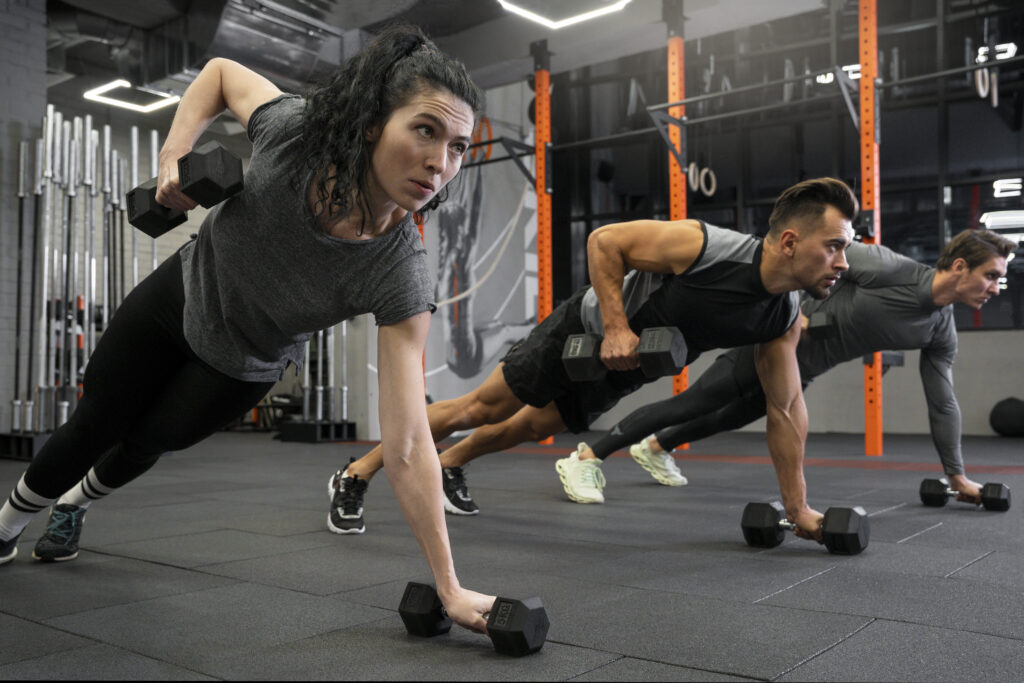
Person performing structured workout sets with dumbbells in a gym

Workout Sets: 3 Powerful Ways to Build an Effective Routine

Workout Sets: 3 Powerful Ways to Build an Effective Routine Why It Matters Sets in the workout are the backbone of any successful training program. They establish not just how long you’re at the gym, but the way your body responds afterwards. Chances are, if you’ve ever been to the gym and steamrolled straight into lifting without a clue as to what you were doing, you’re not the only one. The majority of people fall into random routines or simply mirror another person’s reps and sets, without really knowing why they’re doing them. But this is the thing—how you structure your workout sets can be the difference between actual progress and getting nowhere. If you’re looking to build muscle, lose weight, or simply be more energetic, your body needs a clear message. When your sets are intentional and progressing toward your goals, you’re giving your body something to change towards. Picture your sets in your workout as the blueprint of your progress. Without a blueprint, your efforts scatter and lose forethought. With a blueprint, every set and every rep ties into the last one, like bricks stacking into something solid. And if you don’t listen to the blueprint, you’re just throwing pieces around and hoping some of them stick. How to Do It Right Making effective workout sets starts with definition. Start out by defining your intent—are you training for strength, endurance, building muscle, or losing weight? Your sets should correspond to that purpose. For strength, do fewer reps (3–6) with heavier weight. For building muscle, attempt moderate reps (8–12) with moderate weight. For endurance, use lighter weight and aim for more reps (15+). If you’re new to lifting or just getting back into it, don’t jump straight into advanced routines. Begin with the basics—compound movements like squats, rows, presses—and focus on good form. Keep the volume low at first so your body has time to adapt. Over time, once you feel more confident and consistent, you can layer on intensity and complexity. Start simple, stay safe, and build smart. You should also take time to evaluate your form throughout the entire workout. A great workout sets mean nothing if you’re moving incorrectly. Consider recording yourself or having someone knowledgeable observe you. Fixing minor technique flaws early on can prevent plateaus and injuries later. It’s not about being perfect—just being intentional and aware. Over time, small adjustments compound into better performance and results. Think about progressive overload. That is, gradually increasing weight, reps, or intensity on your sets with the passage of time. Without progression, your body gets used to performing the same routine and plateaus. Monitor your sets and adjust every few weeks. Also, don’t discount the importance of rest in between sets. Power training necessitates longer rests (2–3 minutes), while endurance or fat-loss goals capitalize on shorter rests (30–60 seconds). Rest isn’t wasted time—it’s included in the equation. And finally, schedule your workout split according to your weekly schedule. You can perform full-body workouts with structured sets for major muscle groups if you only train three times a week. In case you visit the gym more often, split workouts (push/pull/legs) allow you to have a higher volume per muscle group per training. Common Mistakes to Avoid One big mistake? Doing random sets with no tracking or structure. Too many people just lift weights until they’re tired. If you’re not logging your sets and reps, you’re guessing, not training. Another extremely common issue is not adapting your sets to your fitness level. Newbies do way too much, thinking more is better. It’s not. Start with 2–3 sets per exercise and increase volume gradually. Experienced lifters, on the other hand, sometimes don’t push hard enough because they keep their old newbie routine. Adapt your workout sets to your current ability, not to your past. Many people also skip warm-up sets. Forgetting to warm up properly and jumping right into heavy lifts can lead to injury and poor performance. Even a couple of light sets before your working sets can loosen up your joints and muscles And finally, the most overlooked mistake: sacrificing form for the sake of quantity. If your last rep of every set is a fight against gravity, you’re not doing your body justice. Quality over quantity. Summary How you organize and conduct your workout actually does matter more than you think. It’s not just a case of three sets of ten and you’re done. It’s about paying attention to what your body needs, using intention in planning, and regularly showing up with a deliberate intention. Structure gets results. Whether you’re training for strength, size, or endurance, building smarter sets of work gives you the template to stick to. Track your progress, adjust where you need to, and treat each set as a positive step forward—not just gym time. By focusing on good structure, avoiding pitfalls, and committing to consistency, your sets will be more than reps and figures—they’ll be the recipe for your change.

Workout Sets: 3 Powerful Ways to Build an Effective Routine Read More »

Top 3 Best Pre Workout Stretching

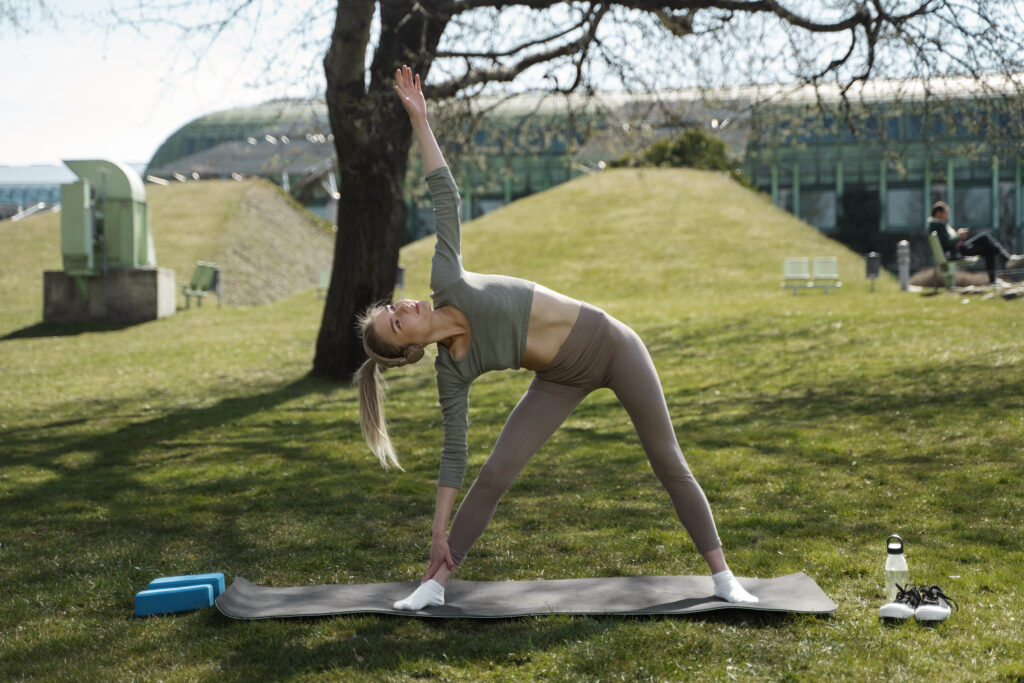
Top 3 Best Pre Workout Stretching Why It Matters When you develop a good workout routine, proper pre workout stretching can maximize the performance of your body. It can also significantly influence how your body is going to feel. Most people work out straight away without stretching, probably because they think it is not necessary. It is. Stretching before for a few minutes can increase your flexibility. It can also increase blood flow and lower the risk of injury. Stretching prior to exercise isn’t only about your body; it’s also about preparing your mind. Think about this: most of us are exercising after being at a computer, driving, or just tired from the day in general. Getting through some fast stretches helps you wind down, turn your focus to what’s about to happen, and connect with your body. It’s a moment to breathe, listen to yourself, and get your head focused. This is especially important if you’re working out in the morning or after you’ve been resting for an extended period. A good stretch relaxes your muscles and prepares joints to move. It sets the pace for your workout and doesn’t allow your body to be taken aback. Finally, the best pre workout stretching routine puts you in motion more efficiently, making you stronger, and reducing soreness after work. You are depriving yourself of a few step that translates into giant consequences if you exclude this step. How to Do It Right Best pre workout stretching can help your movement. While holding a deep stretch (called static stretching) might feel nice, it’s actually not the best way to warm up. Before working out, it’s better to focus on dynamic stretching—movements that mimic the workout you’re about to do. These stretches help raise your heart rate, activate your muscles, and prepare your body for action. Start with a few minutes of light cardio. Easy things like jumping jacks, arm circles, or walking in place will work. Then add some dynamic stretches such as leg swings, bodyweight lunges with rotation, high knees, and shoulder circles. If you’re working on an upper body session, make sure to include exercises for chest, back, and arms. The idea isn’t to fatigue your body but to wake it up. Do each stretch slowly, not rapidly. Your aim is only to awaken your muscles. Each changeover should be silky and effortless, not painful. If it causes pain, slow down. Stretching shouldn’t ever be painful. It’s also important to synchronize your warm-up with the exercise you’re doing. For leg day, focus on hips, hamstrings, and calves. For upper body training, focus on shoulders, arms, and the spine. The right aligned warm-up will prepare the muscles and enable you to train smart. Common Mistakes to Avoid It’s tempting to skip warm-ups, but skipping pre workout stretching is among the most important mistakes you can make. If you go from no physical activity to lots of physical activity too quickly, your body may not be ready. This may make you feel stiff or slow. It could even lead to injuries. Even five minutes of stretching will do it—something is better than nothing. Another issue individuals have is receiving the incorrect type of stretching. Numerous individuals believe that it is a good thing to stretch for an extended period before a workout. Static stretching, though, will lead to your muscles relaxing and not being ready to work. That’s great after, not before. Place your static stretches in your cool-down session towards the end. Speed is also a problem. Rushing through stretches or rebounding quickly in and out of a position, won’t give your body a chance to adjust. It can actually do the opposite and cause strain. Slow and controlled pre workout stretching is important. Don’t forget to breathe—it gives your muscles a chance to relax and react more quickly. Lastly, don’t fall into the habit of doing the same exact stretches every time, no matter what workout you’re doing. Your warm-up should be flexible, just like you’re trying to become. Tailor it to match the movements you’ll be doing in your workout that day. Summary Best pre workout stretching is not a hasty warm-up—it’s your body encouraging you to move well and be safe. Spending a few minutes stretching before you work out can actually make you work out better. It also lowers your risk of injury and quiets your mind. The best pre workout routines are simple, repeatable, and tailored to your training. Avoid rushing, don’t rely on static stretches, and always listen to your body. Even if your time is limited, stretching for just a few minutes can change the entire feel of your workout. So the next time you lace up or get on the mat, don’t skip the stretch. It might be the smallest part of your practice, but it’s also one of the greatest.

Top 3 Best Pre Workout Stretching Read More »

Scroll to Top